
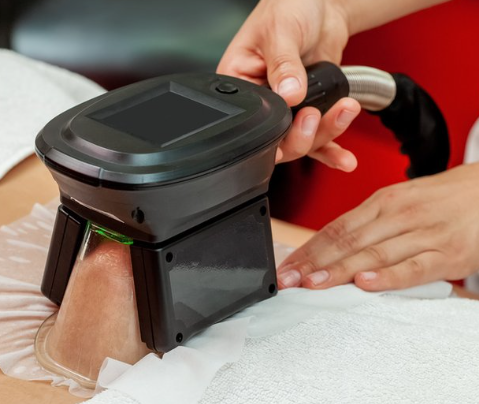
Cryolipolysis, also called fat freezing, is a noninvasive method to reduce stubborn fat deposits in specific areas of the body. Unlike weight-loss procedures, it is not intended for individuals with obesity but rather for people looking to slim down areas resistant to diet and exercise. The best-known brand name for this technique is CoolSculpting™.
Where Can It Be Used?
The U.S. Food and Drug Administration (FDA) has cleared cryolipolysis for the treatment of localized fat under the following areas:
- Chin and jawline
- Upper arms
- Inner and outer thighs
- Abdomen
- Flanks/hips (“love handles”)
- Upper and lower back
- Underneath the buttocks (“banana roll”)
How the Procedure Works
- Preparation
- The treatment area is marked.
- A protective gel pad is placed on the skin.
- Cooling Process
- A handheld applicator suctions the fatty tissue into a hollow cup.
- Patients remain awake, experiencing sensations like tugging, cold, tingling, or cramping, which fade as the area becomes numb.
- The targeted fat is cooled to about 30.2–39.2°F (−1 to 4°C) for up to one hour.
- Post-Treatment
- The applicator is removed.
- A brief massage may be performed to help break down fat cells.
How Fat Cells Are Removed
Fat cells are more sensitive to cold than skin or muscle. The cold exposure damages them, triggering an inflammatory response. White blood cells (macrophages) gradually clear away the dead fat cells over the following weeks and months.
Expected Results
- Average reduction: 15–28% in the treated area.
- First results: noticeable after 3 weeks.
- Best results: 2–4 months after treatment.
- Optimal outcome: up to 6 months.
Benefits
- Non-surgical and low risk
- No anesthesia, no incisions
- Outpatient procedure with no downtime
- Multiple areas can be treated in one session
- Safe for all ages
- Permanent elimination of damaged fat cells
- Boosts self-confidence through body contouring
Limitations & Risks
- Not suitable for people with obesity
- May require several sessions for best results (spaced 6–8 weeks apart)
- Irregular skin surface is possible
- Results are gradual, not immediate
- Rare complication: paradoxical adipose hyperplasia (enlargement of fat cells instead of reduction, more common in men and Hispanic individuals)
- Fat can return in untreated areas if weight is gained
Who Should Avoid Cryolipolysis?
The procedure is not recommended for those who:
- Have open wounds, severe varicose veins, or dermatitis in the treatment area
- Are pregnant or breastfeeding
- Suffer from nerve damage (e.g., diabetic neuropathy)
- Have immune-related skin conditions (eczema, psoriasis)
- Experience abnormal sensitivity to cold, including conditions like:
- Raynaud’s phenomenon
- Cryoglobulinemia
- Cold urticaria
- Cold agglutinin disease
- Paroxysmal cold hemoglobinuria
Common Side Effects
- Redness, swelling, or bruising
- Tingling, stinging, or numbness
- Temporary discomfort or pain (manageable with analgesics)
- Typically resolves within days to weeks
Treatment Plan
- Some people achieve their goals with just one session.
- Others may need multiple sessions depending on the number of areas treated.
- Your doctor will design a personalized plan.
Costs & Insurance
- Average total treatment plan: $2,000–$4,000
- Considered cosmetic, so usually not covered by insurance
Final Considerations
Cryolipolysis should only be performed by licensed professionals such as plastic surgeons, cosmetic surgeons, or qualified dermatology practitioners. While it offers a safe, noninvasive alternative to liposuction, a thorough consultation is essential to determine whether it’s the right option for you.