Plasma skin tightening is often promoted as a non-surgical way to achieve results similar to cosmetic surgery – with lasting effects. First designed for medical purposes, plasma technology began appearing in the beauty industry around 2017. In recent years, more salon brands have adopted it, making the treatment more accessible. However, not all devices deliver the same outcomes; their energy levels, effectiveness, and safety can vary widely, so understanding the differences is essential.
What is plasma?
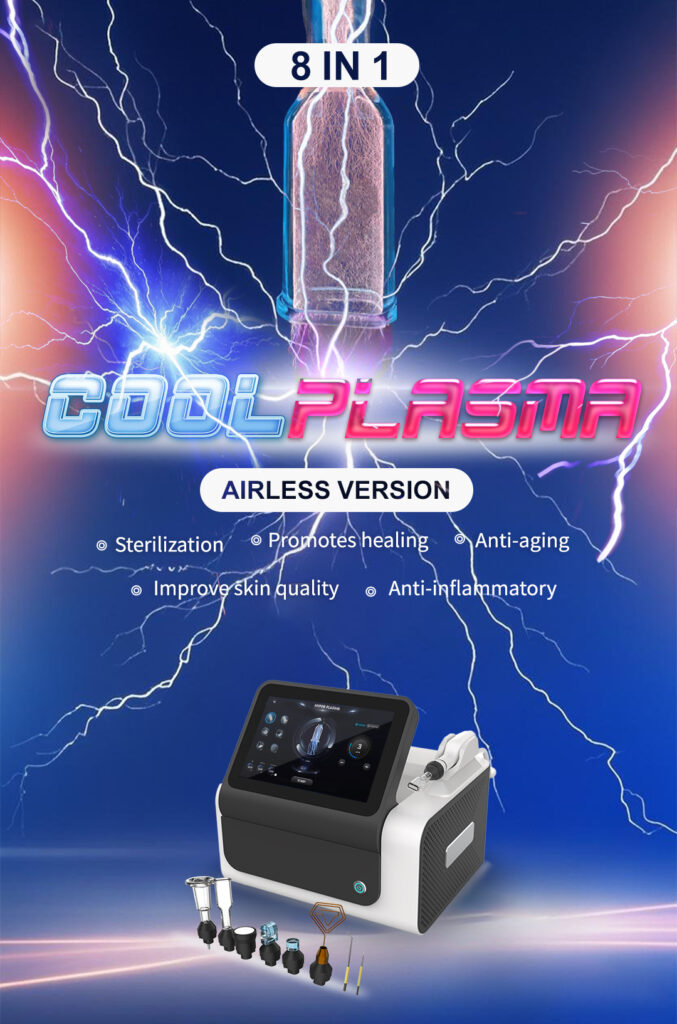
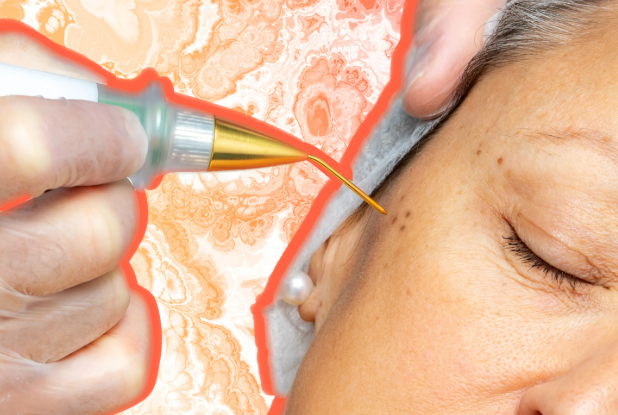
Plasma is known as the “fourth state of matter,” alongside solids, liquids, and gases. It forms when ionised gas interacts with electrostatic energy. During treatment, when the plasma device tip comes within about 1mm of the skin, it reacts with oxygen and nitrogen in the air, creating a plasma arc. This arc vaporises upon contact with the skin.
According to Louise Walsh, CEO of PlasmaPen by Louise Walsh International, this process “immediately contracts surface tissue and stimulates fibroblasts within the dermis through controlled thermal disruption.” The epidermis forms tiny carbon crusts that naturally flake off within a few days, revealing fresher, rejuvenated skin.
Who is it suitable for?
Plasma treatments are attracting attention as a non-invasive alternative to blepharoplasty (eyelid surgery). “There’s no other comparable non-surgical treatment for the eye area,” says Walsh.
In addition to eyelids, plasma can address frown lines, crow’s feet, nasolabial folds, sagging jawlines, loose neck skin, the backs of hands, and areas like the arms and abdomen.
Josh Yardley, director of The Smart Group (distributor of the Accor Cosmetic Corrector in the UK), explains that “most issues require just one session, though deeper concerns may need more.” He adds that roughly 80% of Accor treatments are one-off procedures.
The Accor pen features NF+ technology, which allows the energy to fade as it penetrates deeper into the skin. This keeps the treatment superficial, reduces swelling and redness, and allows work over larger areas.
Contraindications
While promising, plasma devices come with restrictions. For example, PlasmaPen advises against use on skin types darker than Fitzpatrick 3 due to the risk of post-inflammatory hyperpigmentation.
Accor lists additional contraindications, including:
- Pregnancy or breastfeeding
- Pacemakers or metal implants
- Active infections or fever
- Anti-acne medications
- Skin lesions in the treatment area
- Cancer or hepatitis
- Varicose veins
- Bone disease
- Epilepsy, autoimmune conditions, or diabetes
- Keloid scarring risk
- Recent fillers, threads, or botulinum toxin in the target area
Each device may have its own list, so it’s crucial to confirm with the manufacturer.
Risks and aftercare
Clients should expect about a week of downtime, with swelling and visible healing. Sun protection is essential during recovery.
Tracie Giles, founder of Tracie Giles Bespoke Permanent Make Up, notes that plasma around the eyes can cause significant swelling, which may be alarming for unprepared clients. She requires her blepharoplasty patients to send daily photos for 10 days post-treatment.
Giles also conducts patch tests: “It’s important to see how the client heals and whether they follow aftercare correctly.”
It should be noted that plasma treatments are painful, even with numbing creams. Lower-energy nitrogen plasma devices (such as the Crystal Clear Plasma Lift) are less painful but may also deliver gentler results.
Another key concern is device safety. Yardley warns that some unregulated devices marketed as plasma pens are actually cauterising tools, burning the skin on direct contact. Others may lack calibration, raising risks of scarring or bleeding. Always check for CE certification and liability insurance before purchase.
Training requirements
Most reputable brands require practitioners to hold at least a Level 3 qualification in beauty therapy to train on plasma devices. However, insurers may set different requirements.
Accor supplies only to experienced therapists with Level 3 or higher qualifications, at least three years of clinic experience, and a solid knowledge of anatomy. Training is carried out in small groups, with ongoing mentoring from master trainers and peer support via user networks.
Some experts, including Giles, believe plasma treatments should be limited to Level 5 practitioners because of the risks: “I’ve seen clients left with pitted marks from poor treatments. This is advanced work requiring strong knowledge of physics, physiology, and anatomy.”
Key terms explained
- AC plasma: Most devices use alternating current (AC) to create small sparks. Suitable only for Fitzpatrick skin types 1–3 or 4, due to risk of hyperpigmentation.
- DC plasma: Direct current (DC) devices like Jett Medical’s Plasma Lift Profi can treat all skin types, as they create a longer arc and cause less surrounding tissue damage.
- Sublimation: The process where solid tissue vaporises directly into gas during treatment.
- Sublative: Non-ablative plasma treatments that create micro-injuries in the epidermis without breaking the basal layer.
- Nitrogen plasma: Uses medical-grade nitrogen gas to generate plasma energy, heating tissue without vaporising it. Improves tone, texture, and laxity.
- Neon plasma: Employs electrically charged neon gas to produce a plasma field, gently heating skin below the surface. Typically used for full-face sessions over a course of treatments.